
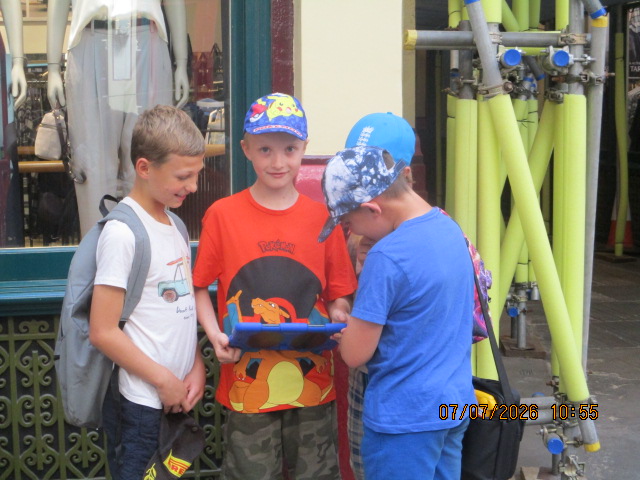
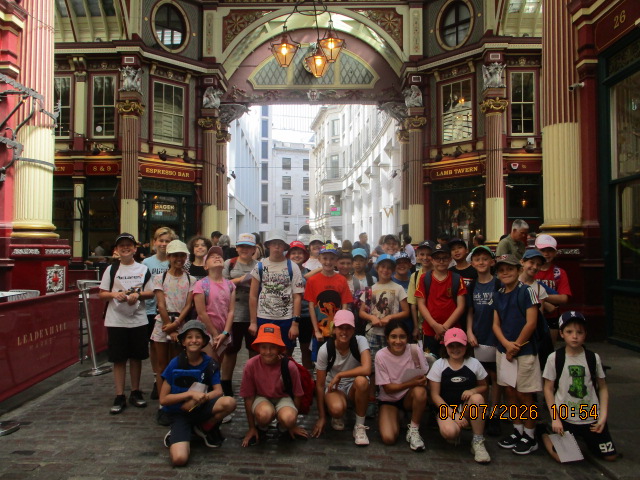
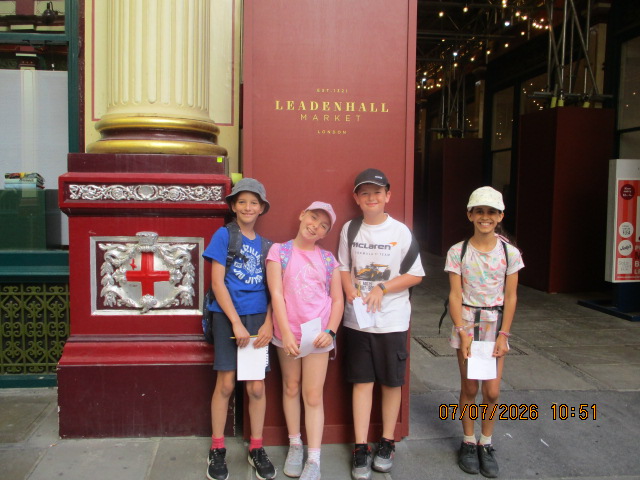
This week, Maple Class enjoyed an exciting and educational trip to the Bank of England Museum in London. The children travelled by train before walking through the historic City of London, where they had the opportunity to admire several famous landmarks. Along the way, they visited the beautiful Leadenhall Market, saw The Monument, which commemorates the Great Fire of London, and enjoyed their lunch in the peaceful gardens and ancient ruins of St Dunstan-in-the-East.
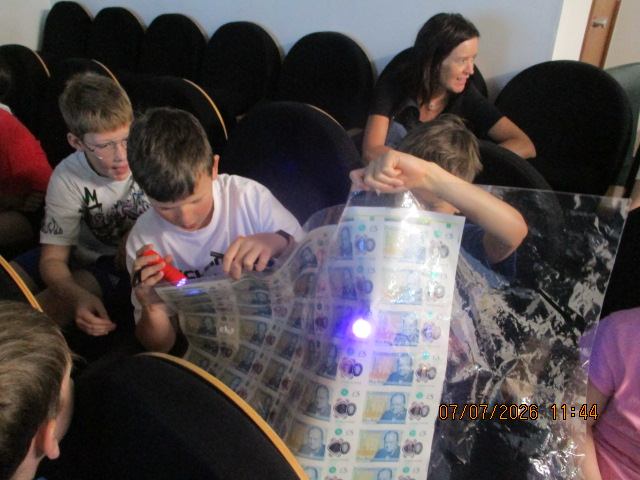
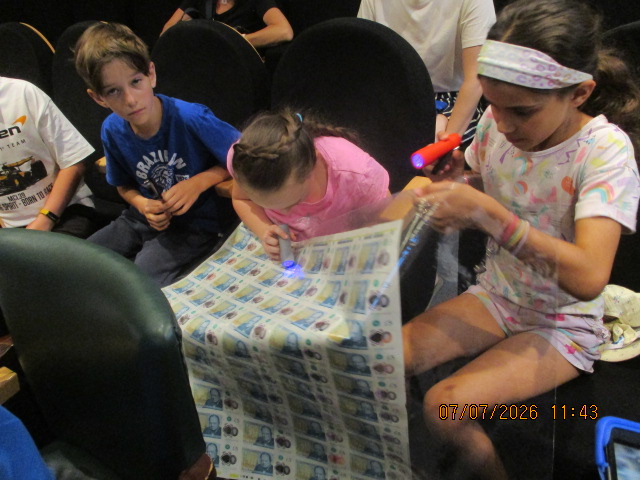
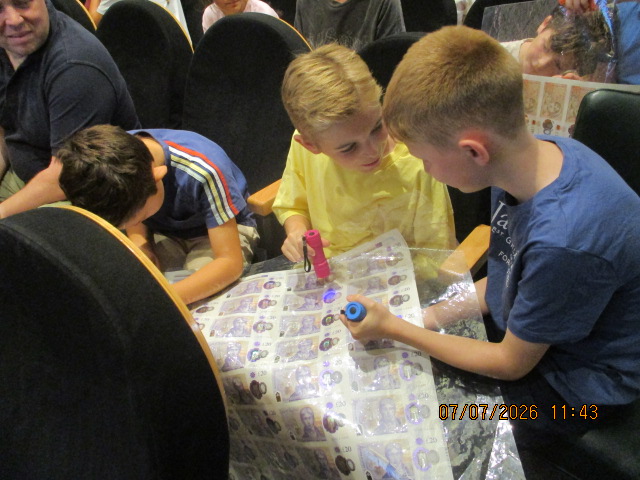
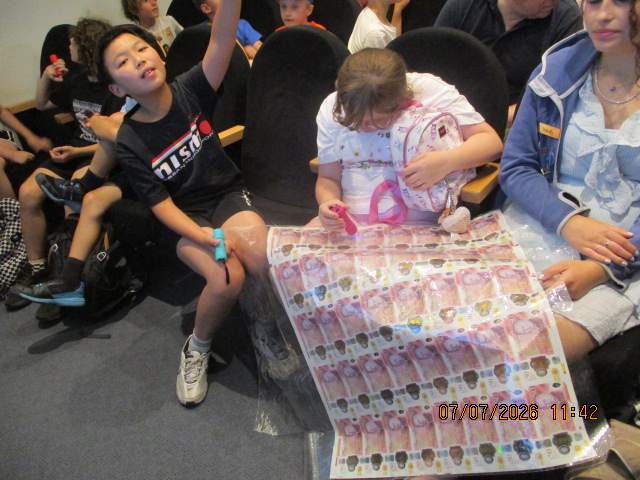
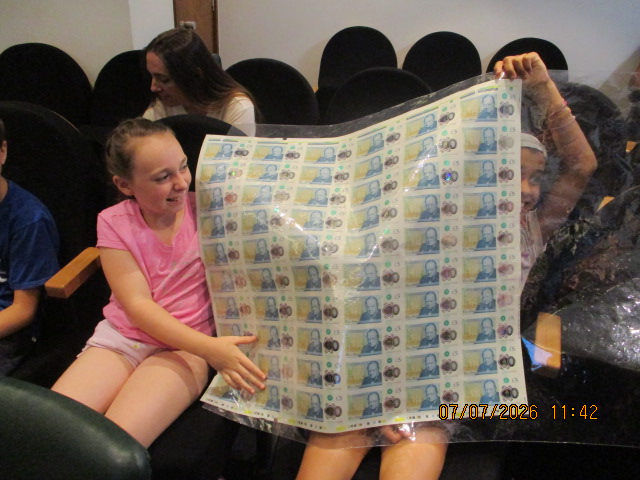
At the museum, the children took part in an engaging workshop called “Money and the Bank of England.” They learned about the important role of the Bank of England, discovered how banknotes are designed and printed and explored the clever security features that help people identify fake money. They were also fascinated to learn about the valuable gold stored by the Bank. Needless to say, the children impressed the workshop leader with their excellent knowledge, confidently answering questions and building on what they had already learned during their MoneySense lessons.
Throughout the day, the children represented the school brilliantly with their excellent behaviour, enthusiasm and curiosity.
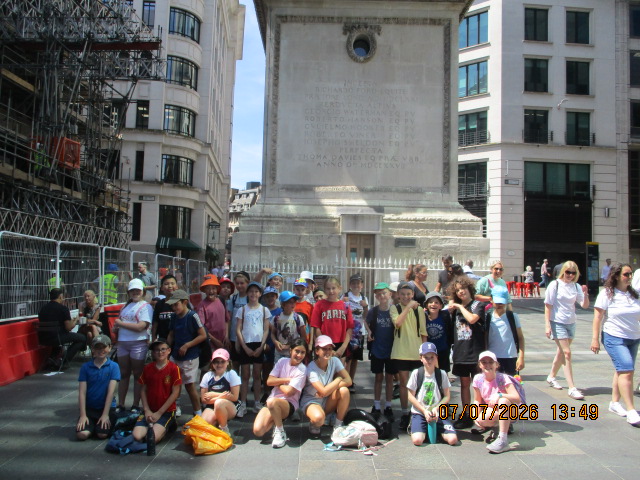
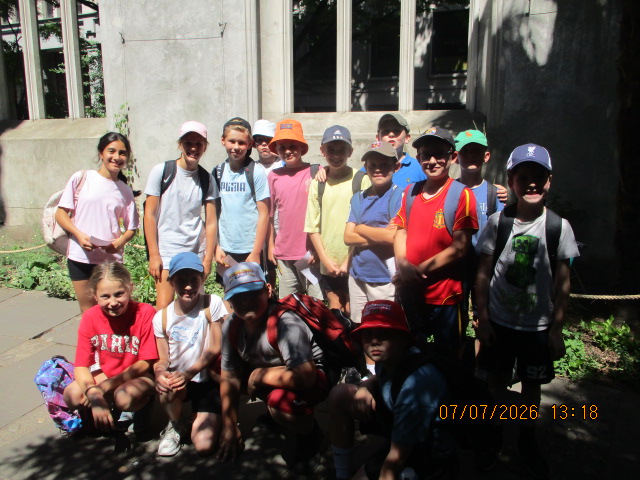
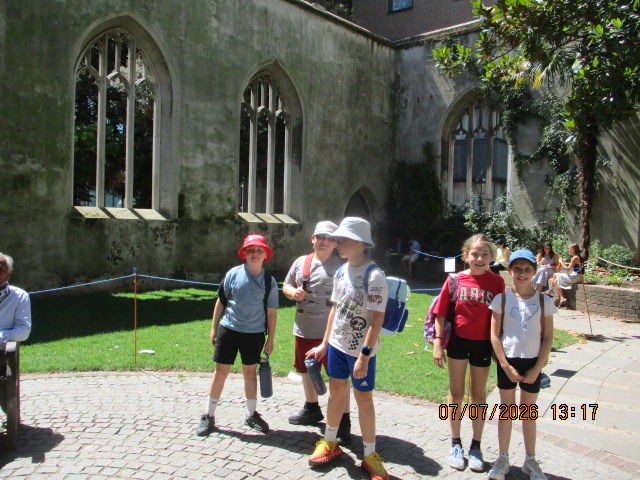
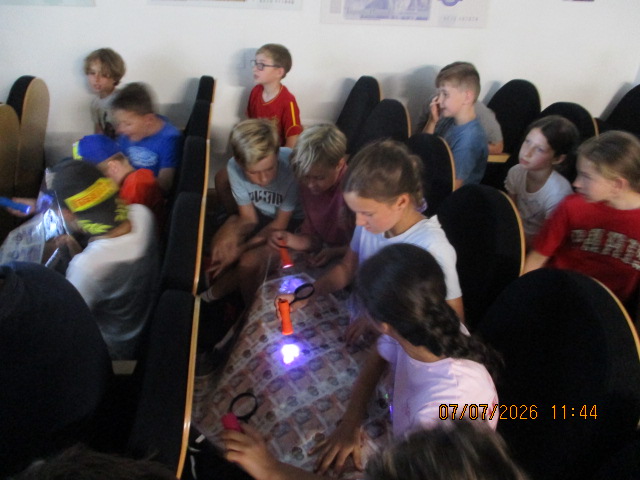
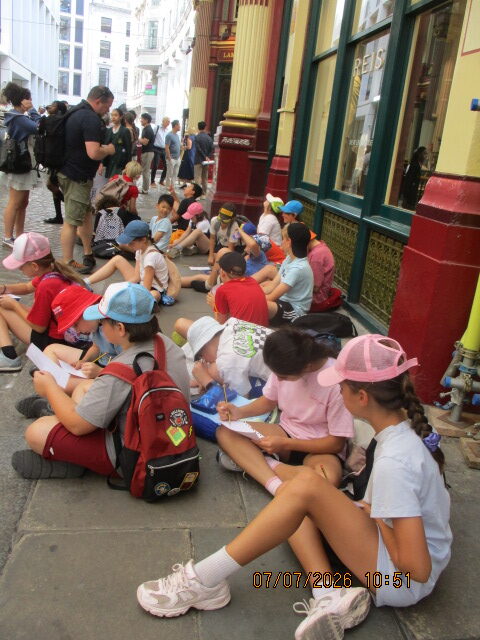
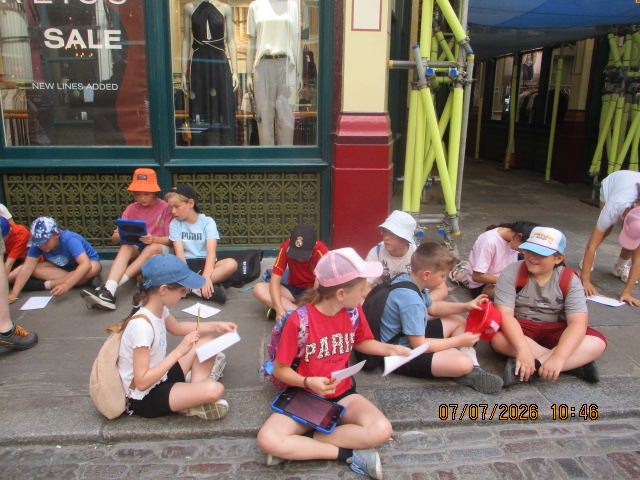
In English, before the visit, the children worked with their learning partners to research the landmarks and key facts about the Bank of England Museum that they would be visiting. Following the trip, they reflected on their experiences by writing diary entries. They described their journey, explained what they had learned at the museum, and expressed their thoughts and feelings about this memorable day.
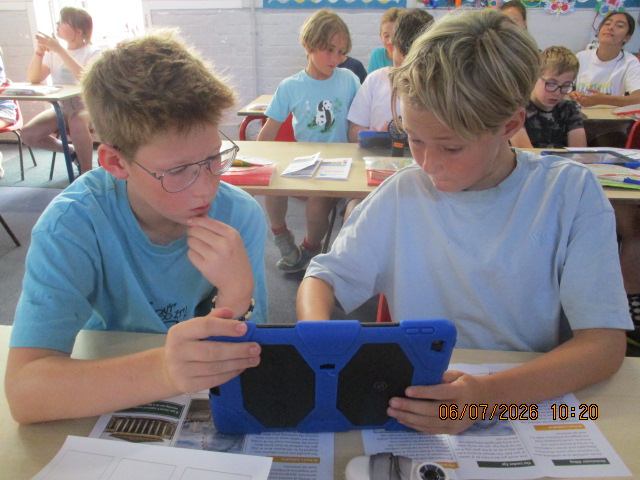
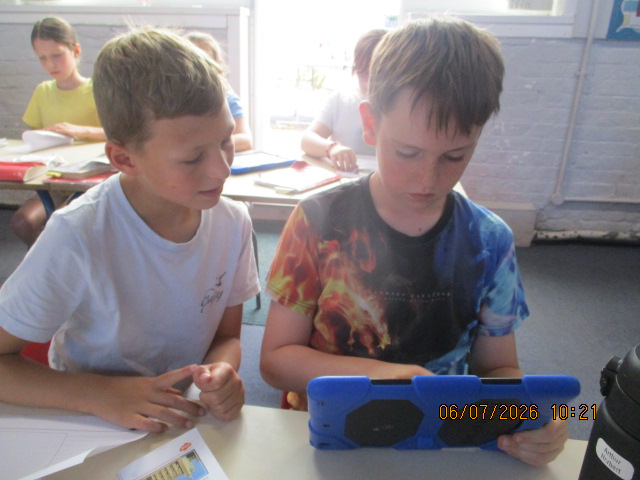
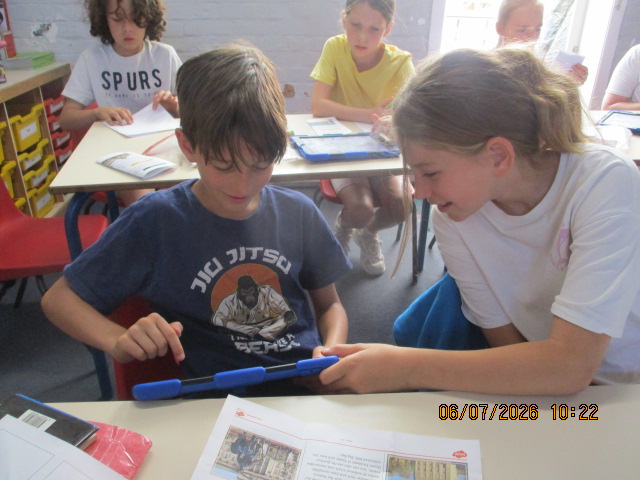
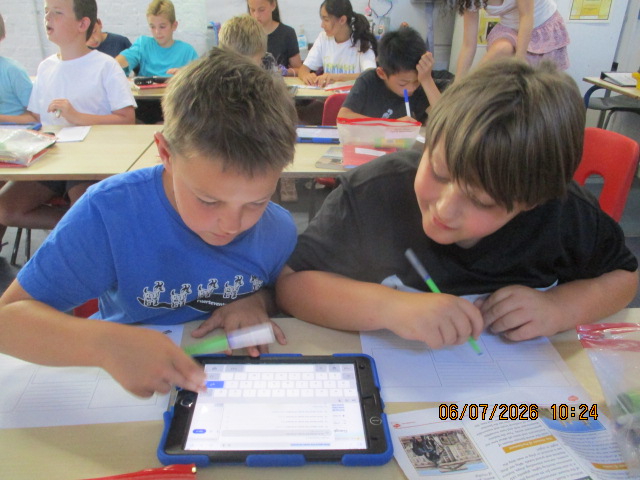
In Maths, the children took part in
two MoneySense lessons. In the first lesson, ‘How do I understand information
about money from around the world?’, they learned that money has different
values in different countries and explored why it is important to understand
different currencies, particularly when travelling abroad
In the second lesson, ‘What affects
my choices?’, the children explored the factors that influence the way people
spend and save money. They also recognised that financial choices are
influenced by income, commitments, personal values and culture and that the
decisions we make with money can affect both ourselves and others.
In PSHE, the children explored how to
manage conflicts and changing emotions. They discussed positive ways to
recognise and regulate their emotions, considered strategies for resolving
disagreements respectfully and practised finding compromises during conflicts.