
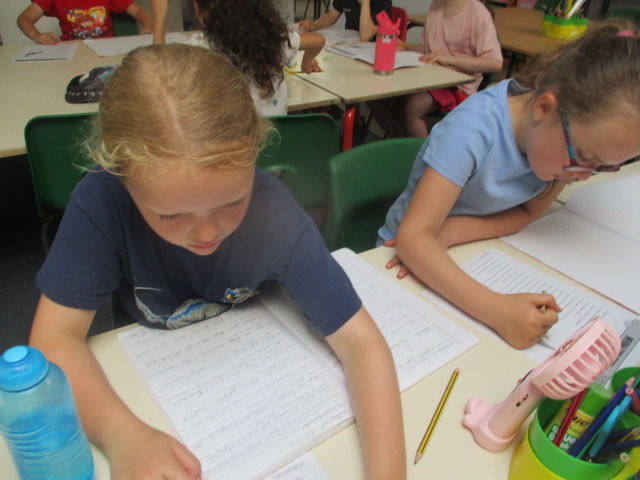
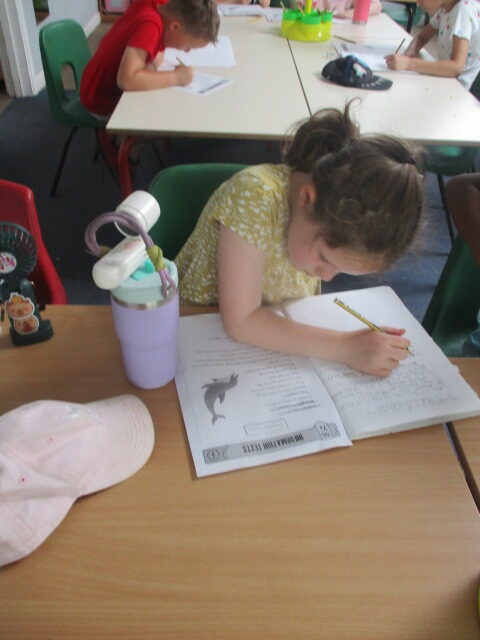
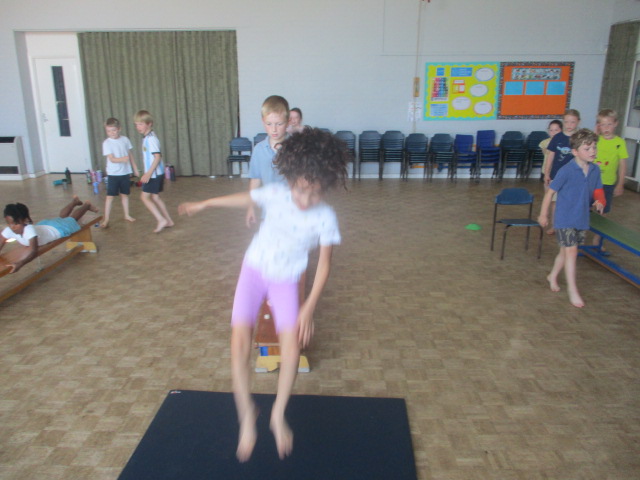
What an incredibly hot week it has been in Beech Class! We have been so proud of how well the children have coped with the exceptionally high temperatures. They have shown fantastic resilience, remembered to drink plenty of water, sought shade when needed and continued to engage enthusiastically in their learning despite the heat.
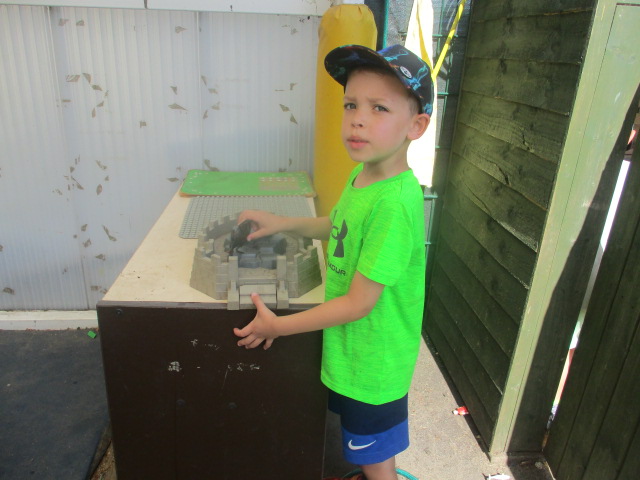
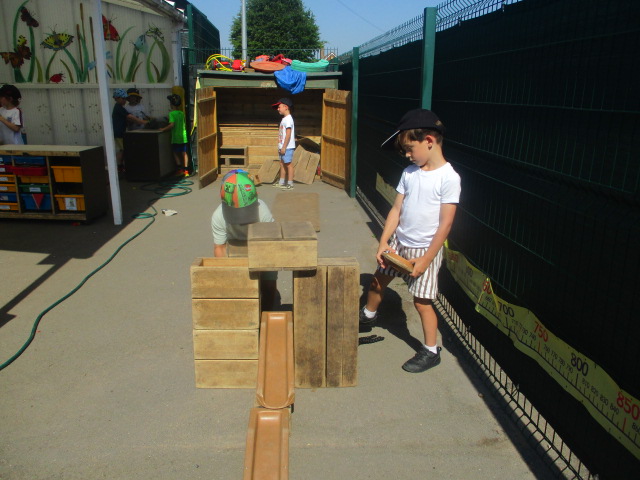
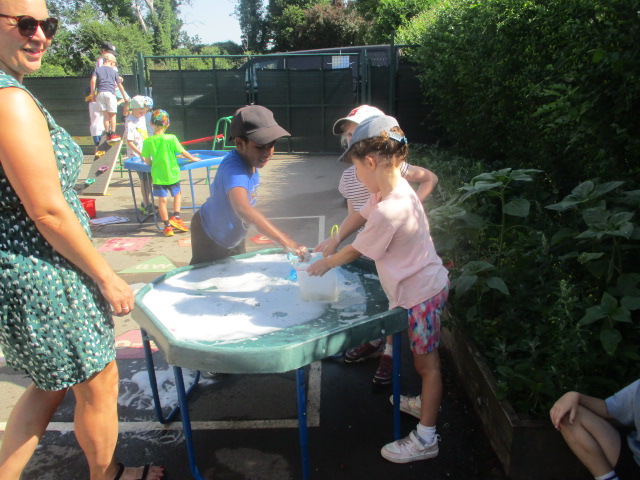
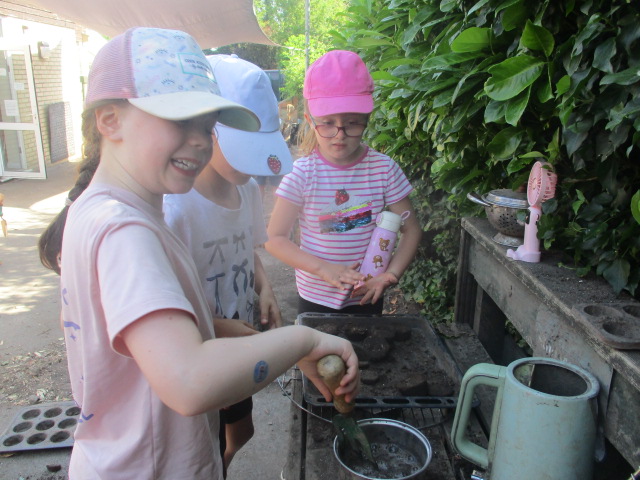
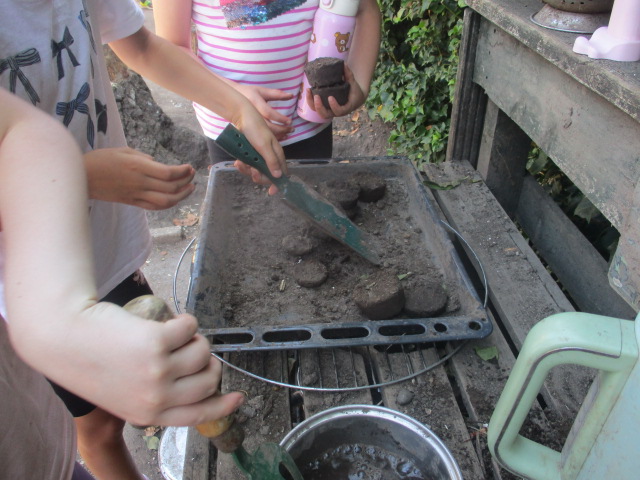
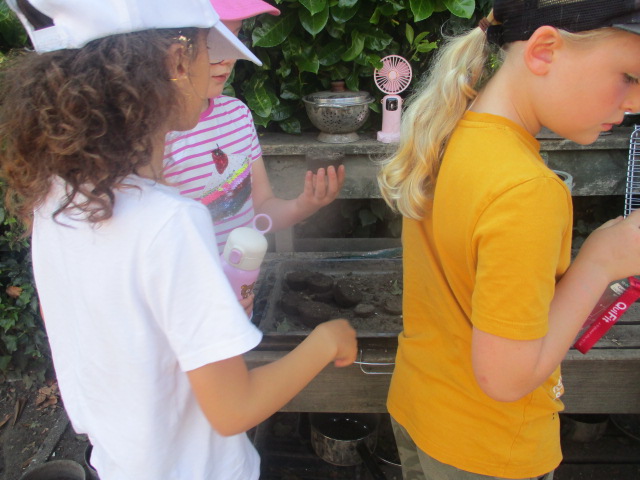
To ensure the children remained safe and comfortable, we adapted our daily routine. We swapped our usual afternoon continuous provision sessions to the morning when temperatures were cooler, allowing the children to continue accessing our outdoor learning environment safely. This flexibility meant that children could still enjoy all of the exciting opportunities available both indoors and outdoors while avoiding the hottest part of the day.
One of the highlights of the week was our investigation into the power of the sun. The children became real scientists as they measured the temperature in our outdoor area. Amazingly, the thermometer reached an incredible 42°C in the shade! This sparked lots of discussion and curiosity, with many children wondering just how hot it must have been in the direct sunshine. We talked about the importance of staying safe in hot weather and how the sun can affect people, animals and plants.
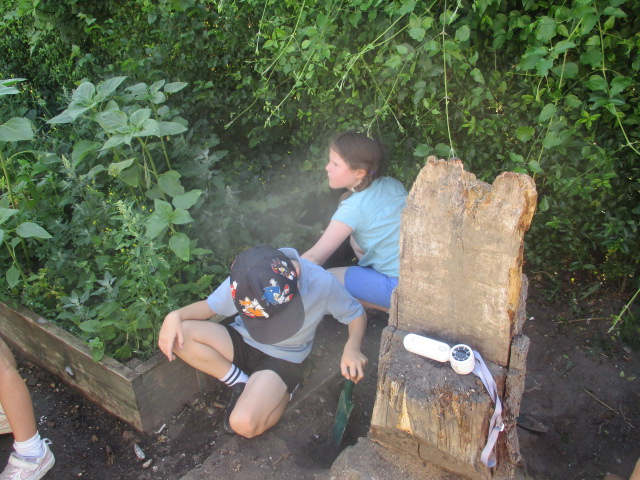
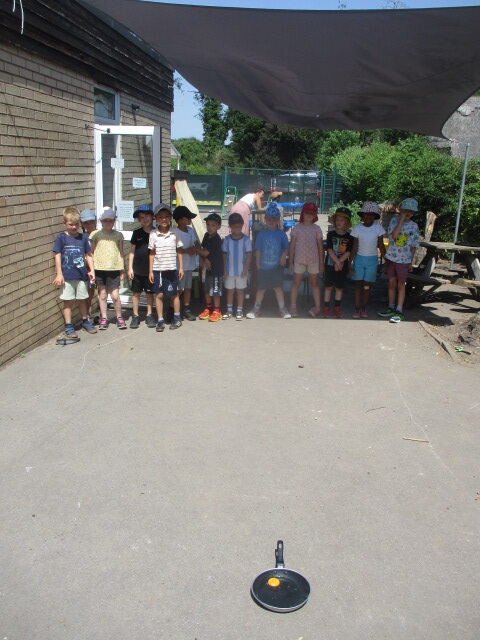
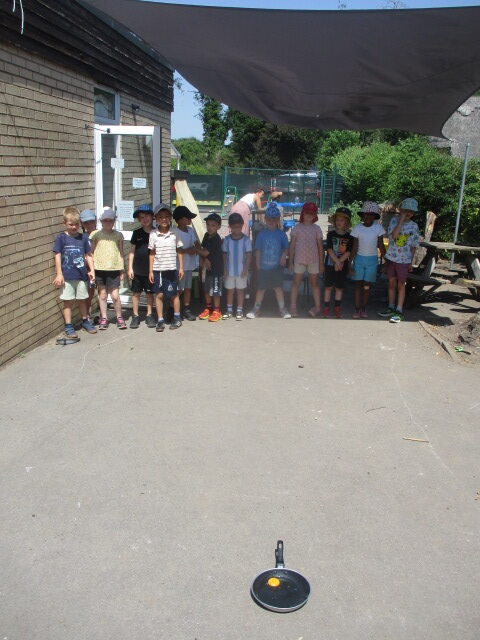
Our scientific investigations didn’t stop there! The children were fascinated when we carried out an experiment to see whether the sun was hot enough to cook food. Using the heat from the sunshine, we successfully fried an egg in our outdoor area. There were lots of excited faces, amazed gasps and thoughtful discussions about how the sun provides heat and energy. It was a wonderful opportunity for the children to observe changes and think scientifically about what they were seeing.
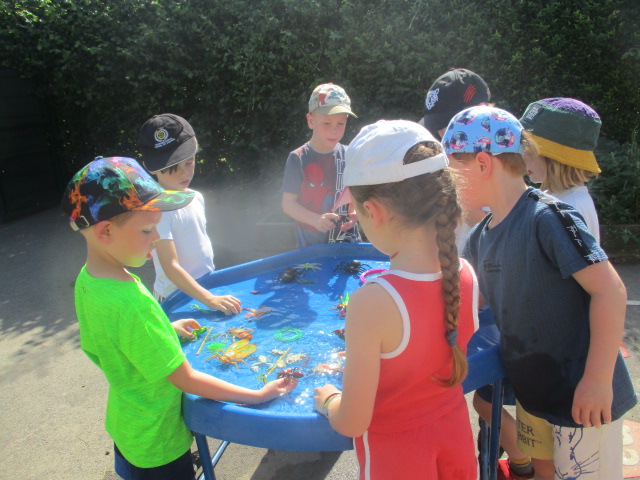
Alongside our heatwave investigations, our learning focus this week has been microhabitats. Throughout our continuous provision, the children explored different habitats and thought carefully about the living things that call them home. They investigated under logs, stones and leaves, discussing why certain creatures might choose to live in dark, damp or sheltered places. The children showed fantastic curiosity, using scientific vocabulary such as habitat, microhabitat and shelter as they shared their ideas.
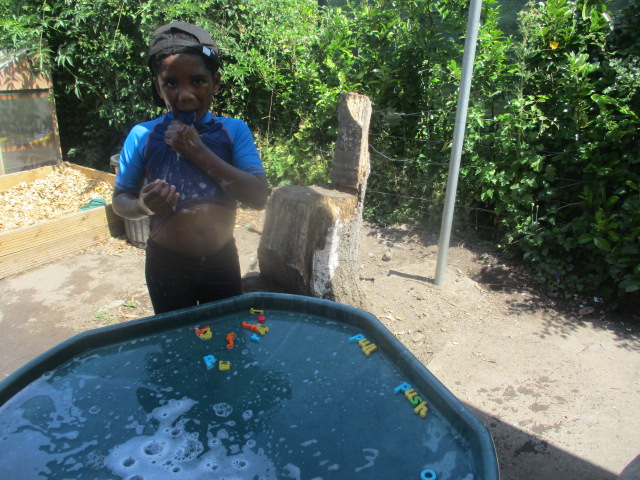
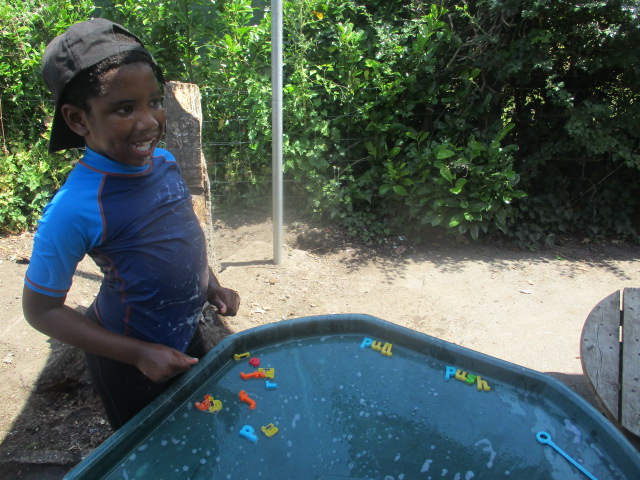
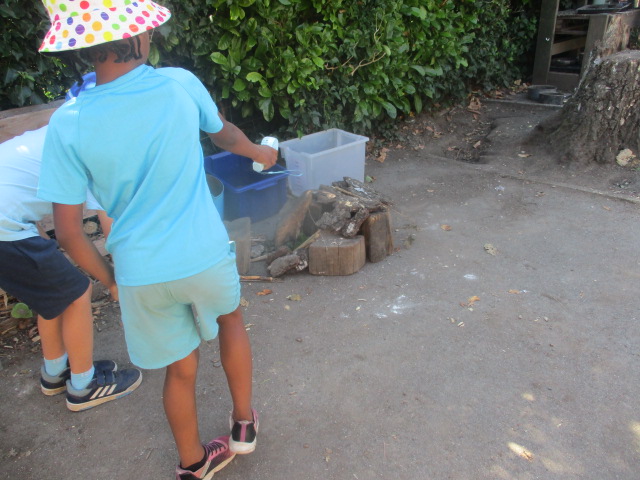
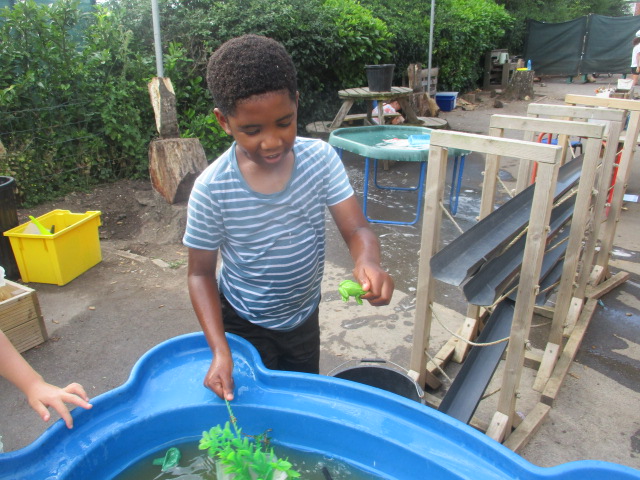
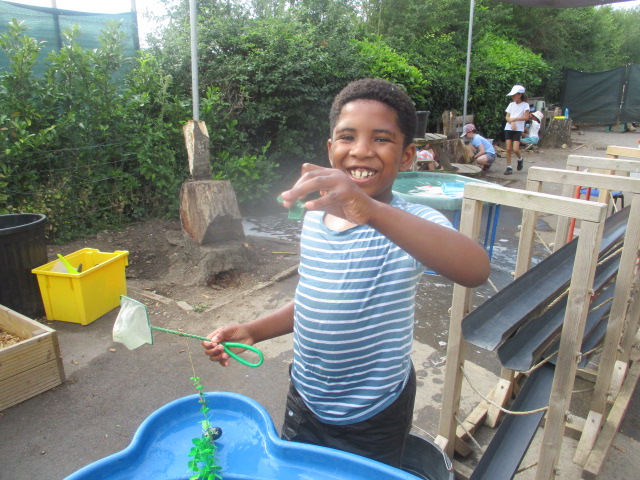
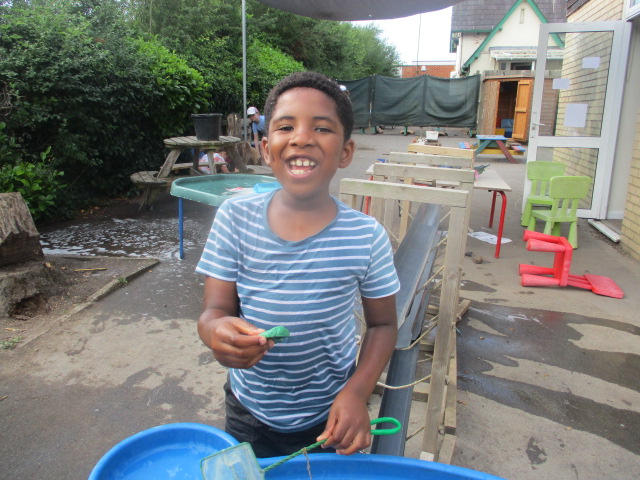
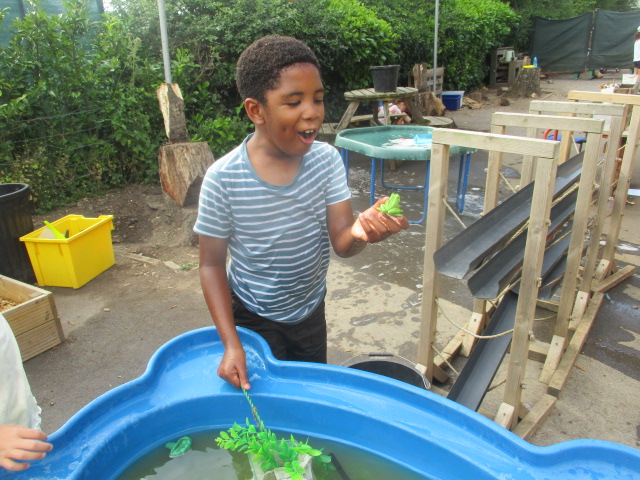
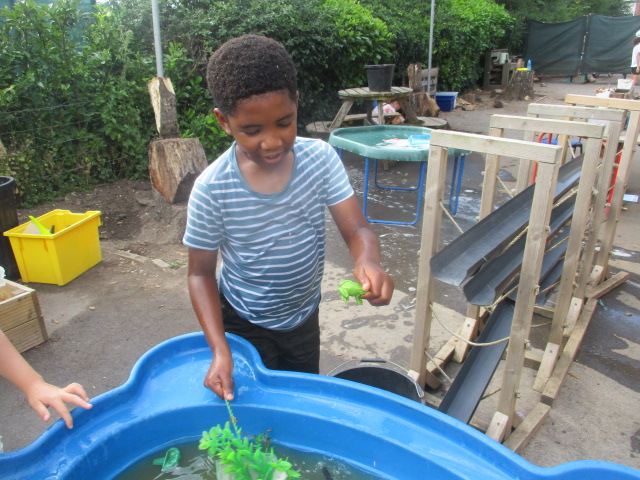
A particular favourite was the pond microhabitat that we created in our provision. The children loved becoming habitat explorers and investigating what plants and animals might live in and around a pond. Using photographs, books, discussion and hands-on exploration, they identified a variety of living things including frogs, fish, tadpoles, pond snails, dragonflies and water beetles. They also considered the types of plants that would grow in and around the water and discussed why these organisms are suited to an aquatic habitat.
The pond investigation encouraged the children to think deeply about how habitats meet the needs of living things. They explored questions such as: Why do frogs live near water? What might a pond snail need to survive? Why do some animals live in water while others live under logs? Through these discussions, the children developed their understanding that different habitats provide different conditions and resources for living things.
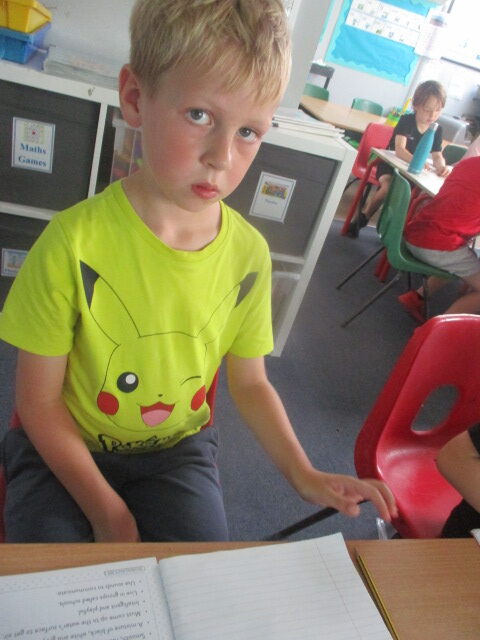
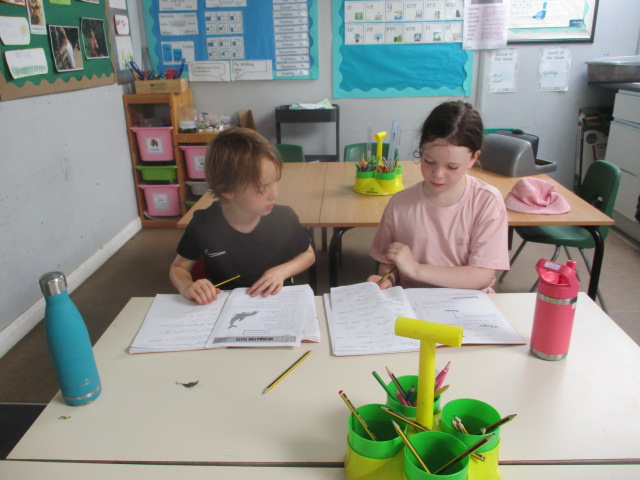
Our learning in science has linked beautifully with our work in English. The children have begun using their scientific knowledge to support their explanation writing. They have been learning how to explain why animals live in particular habitats and how those habitats meet their needs. It has been wonderful to see them applying scientific vocabulary and using evidence from their investigations to justify their ideas. This purposeful link between science and English helps children to deepen their understanding while developing their communication and writing skills.
Throughout the week, the children have demonstrated excellent observational skills, asked thoughtful questions and shown genuine excitement for learning. Whether measuring temperatures, investigating microhabitats, exploring our pond habitat or discussing the power of the sun, they have approached every activity with enthusiasm and curiosity.
We are incredibly proud of all the children this week. Despite the challenging temperatures, they have continued to learn, investigate, collaborate and amaze us with their ideas. Well done, Beech Class!