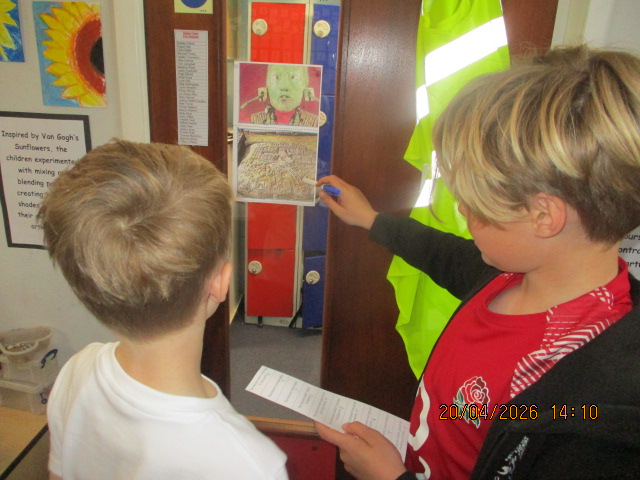
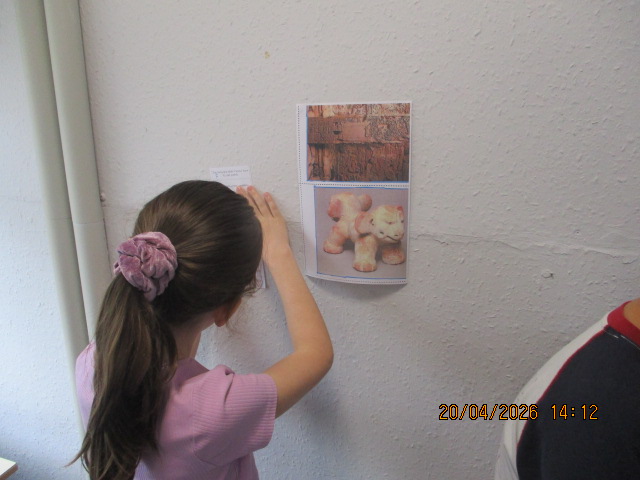
This week in Maple Class, the children have been diving into the fascinating world of the Maya civilisation and exploring how it developed over time. To begin our learning, the children examined a range of artefact cards displayed around the room. They observed each item and used their historical thinking skills to decide whether statements about them were true or false, sparking thoughtful discussions and curiosity.
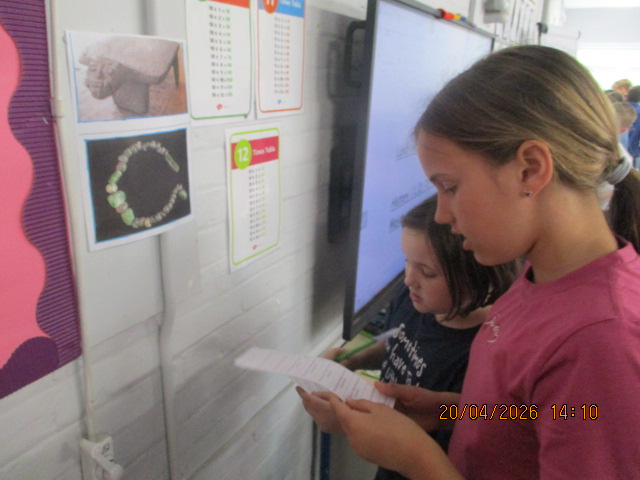
Linking History with English, Year 5 pupils took on the role of archaeologists and wrote engaging informal letters to a friend, describing their discoveries from a tomb at Copán, demonstrating their understanding of the period. Continuing their exploration of the Maya, the children investigated what made this civilisation so distinctive. They researched key aspects and made notes on Maya calendars, the importance of cacao, and the practice of bloodletting, in preparation for their non-chronological reports on what was important to the Maya people.
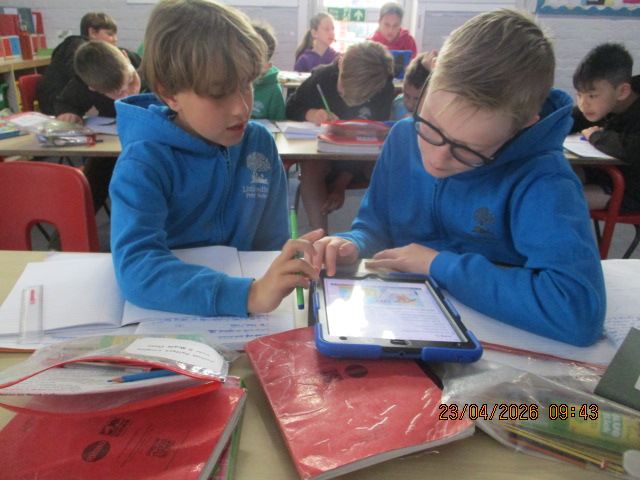
In Art, the children learned about great architects throughout history and explored a range of architectural styles. They matched key features to pictures of buildings, including styles such as Gothic, Regency, Roman, and Victorian, helping them to recognise how architectural design has changed and developed over time.
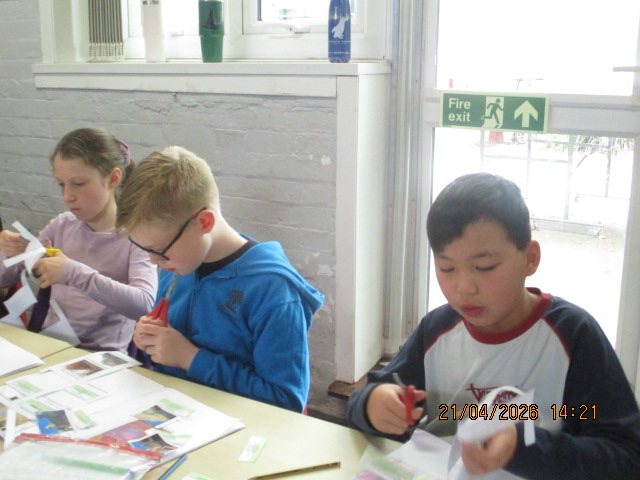
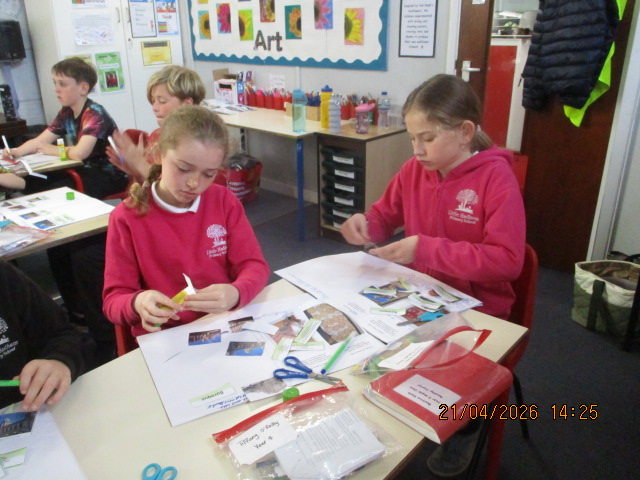
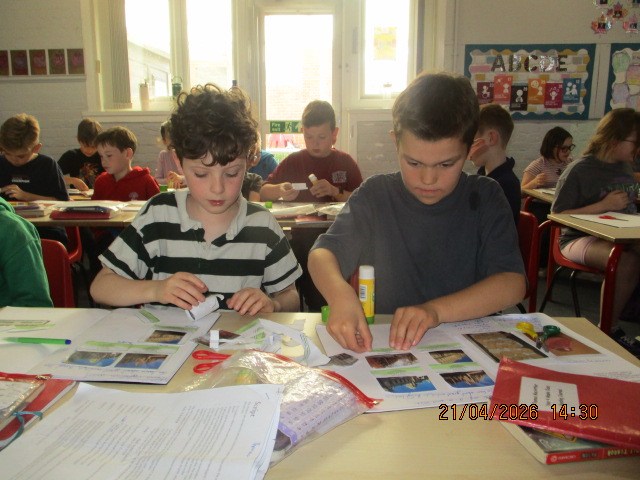
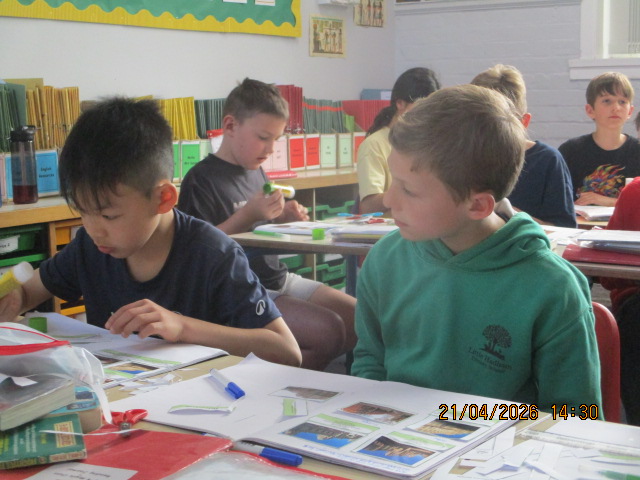
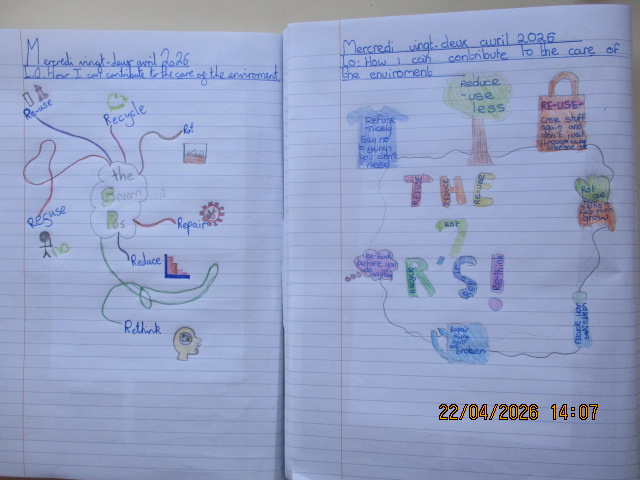
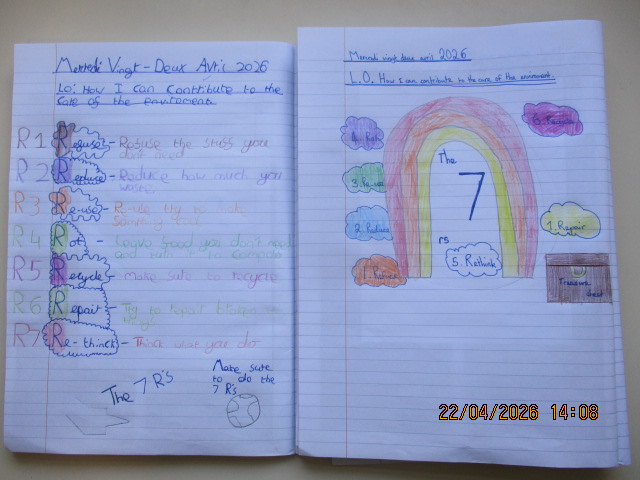
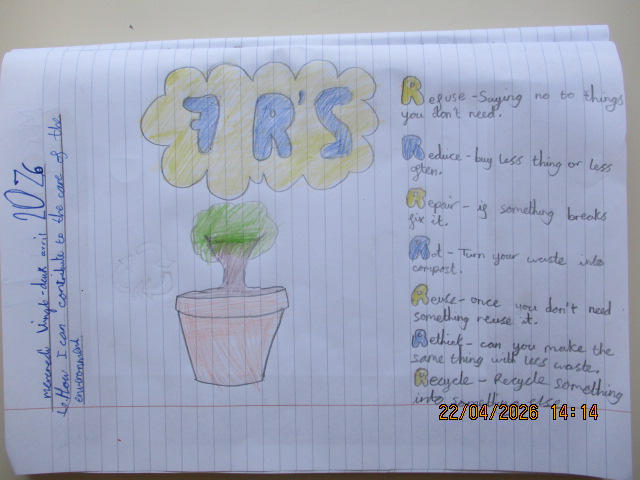
In PSHE we celebrated Earth Day 2026 and deepened our understanding of environmental responsibility. The children learned about climate change, explored how carbon dioxide (CO₂) contributes to warming our planet and identified everyday choices that can increase or reduce carbon emissions. Encouragingly, they discovered that even simple actions can make a meaningful difference and discussed how they can help care for the environment in their daily lives. They explored practical strategies through the “seven Rs” (Rethink, Refuse, Reduce, Reuse, Repair, Recycle, and Rot) and reflected on how small, thoughtful changes can have a positive impact on the world around them. This learning linked to Article 24 (the right to health and a clean environment) and Article 29 (education about respecting and caring for the environment) from the United Nations Convention on the Rights of the Child.
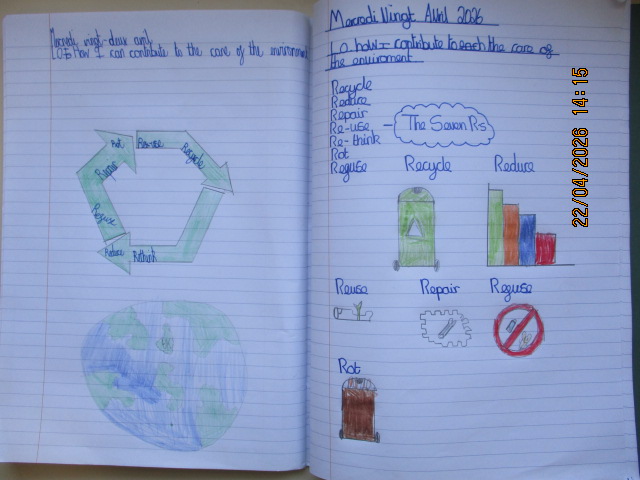
Linking their environmental learning with English and the book One Plastic Bag, Year 4 pupils wrote persuasive letters to supermarkets about plastic pollution, highlighting how small actions can make a big difference. They used impressive topic-related vocabulary to strengthen their arguments and encourage positive change.
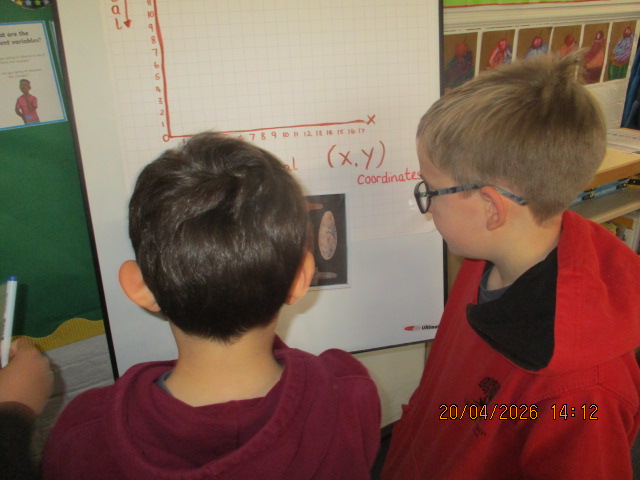
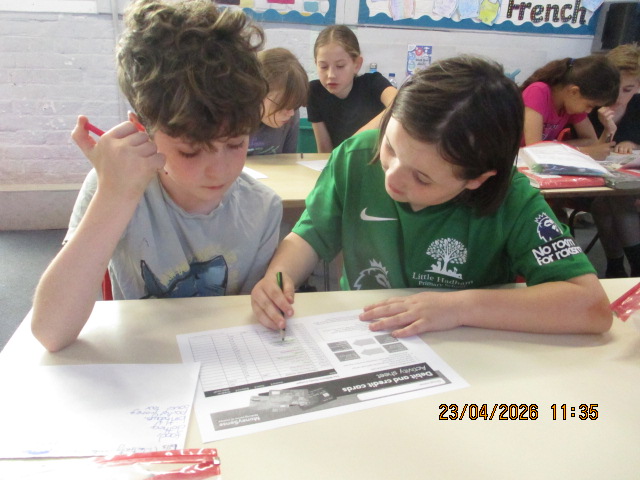
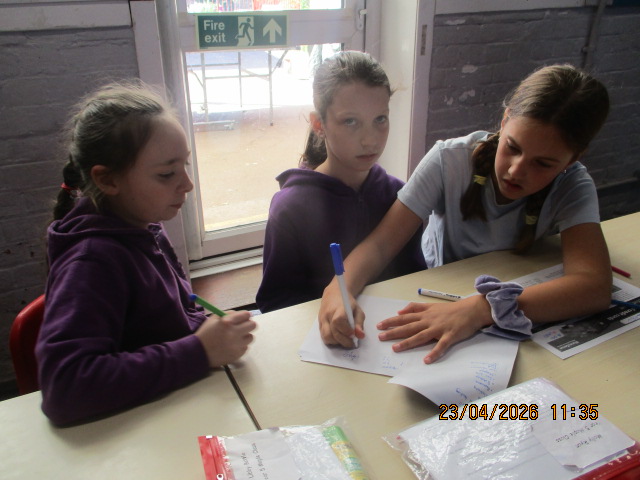
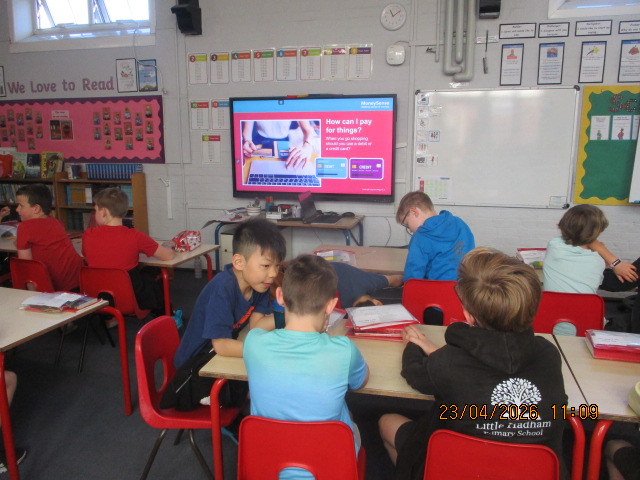
In Maths, both year groups worked hard on decimals. Across the class, children focused on understanding tenths and hundredths as fractions or decimals, developing their confidence in representing these values, and practised ordering decimals, building accuracy in their calculations .In Maths, the class also took part in their first MoneySense lesson, learning about different ways to pay for goods and services, including when it is most appropriate to use debit or credit cards. Working in small groups, Maple class pupils helped a family decide how to manage payments across a month.
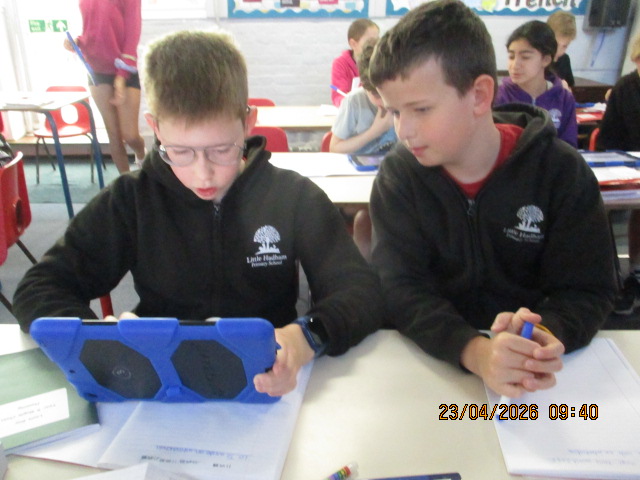
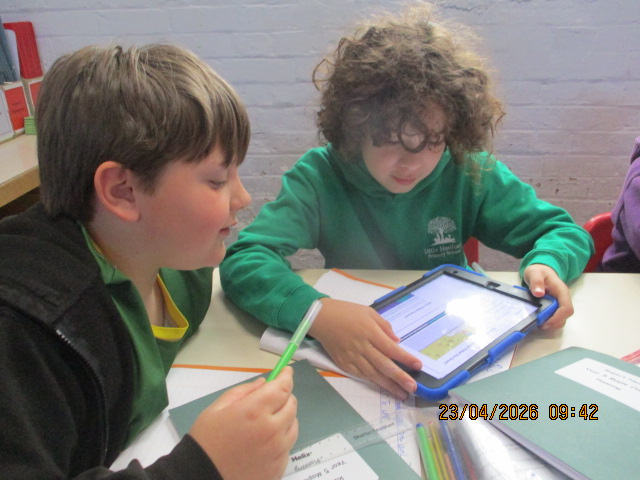
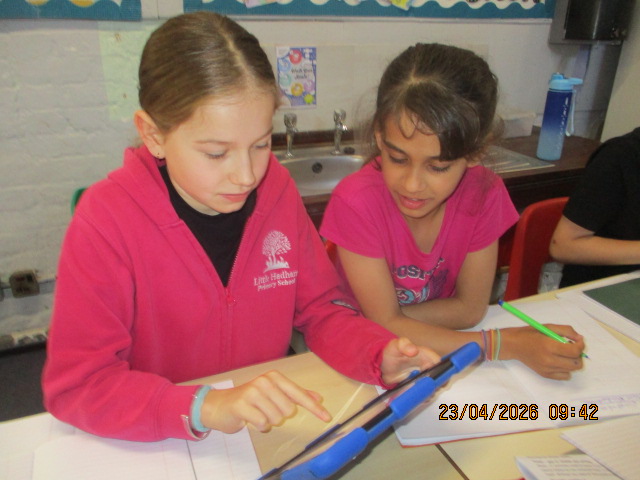
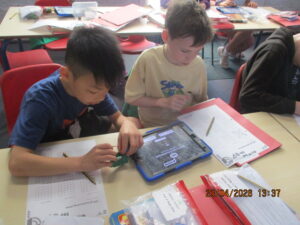
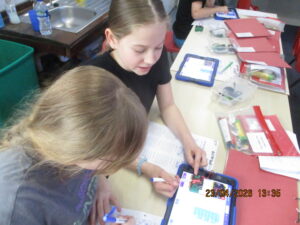
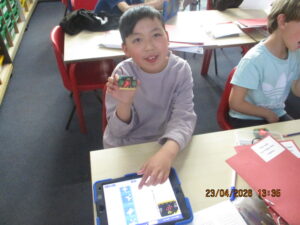
In Computing, Maple Class have been developing their programming skills by writing algorithms for the micro:bit. They created a “beating heart” animation by carefully sequencing instructions and using repetition. Building on this, the children designed a “jumping animal,” applying their understanding of inputs, outputs, and timing to bring their ideas to life. It has been fantastic to see their creativity and problem-solving skills grow as they explored how algorithms can control digital devices.
It has been a week full of curiosity, creativity, and thoughtful learning—well done, Maple Class!